
Reality Check: Where the Big Money Goes Next. “Prime Is No Longer an Address. It Is a Pattern.”
1-2 MIN READ
CONTEXT
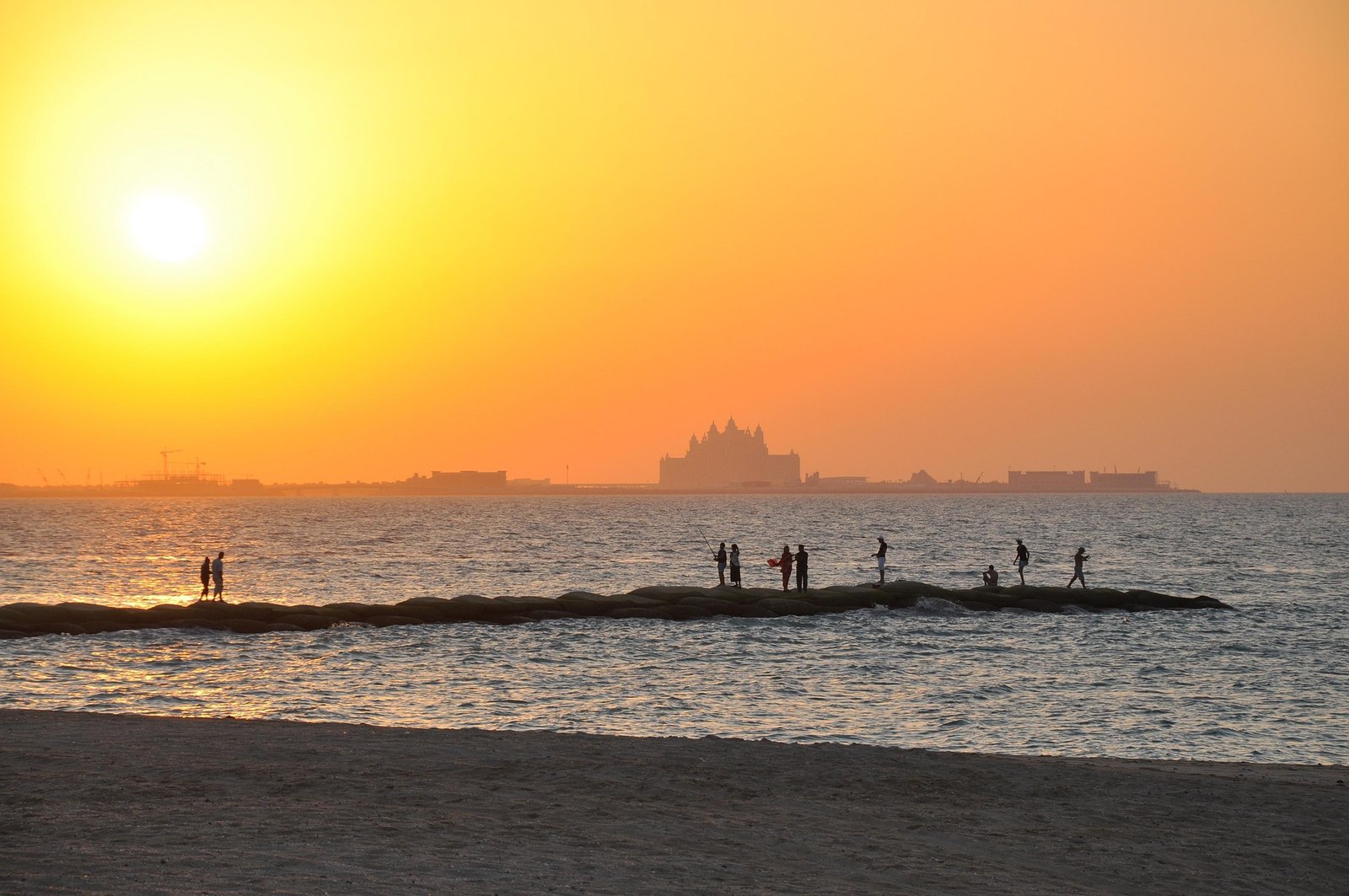
Between January and August 2026, Dubai recorded 335 home sales above USD 10 million, according to Dubai Land Department data analysed by a leading brokerage. Villas accounted for 206 of them, worth a combined AED 11.7 billion, and apartments for 129, worth AED 8.67 billion. For years, one famous island dominated this segment. Today it holds only around one fifth of these deals. The rest is spreading across a growing number of newer prime communities, from golf-course estates to new waterfront developments. At the very top, 71% of luxury purchases are off-plan, and speculative flipping has fallen to around 10% of deals.
MY TAKE
The popular story about Dubai’s luxury market in 2026 is that the party is over. The reality is very different. The USD 10 million-plus segment is running roughly on last year’s record pace, and the city as a whole recorded more than AED 380 billion in sales in the first nine months, the second-highest result in its history. That is not a market in retreat. It is a market that is becoming more selective.
What has changed is not the amount of money at the top. It is where that money goes and how it behaves. The wealthiest buyers no longer cluster around a single postcard address. They are following master plans, new waterfronts and communities where land is limited and the best plots can still be secured at an early stage. And they are buying to hold. When only one in ten luxury deals is a flip, you are looking at long-term capital, not short-term speculation.
MY THESIS
Reality checks matter because they separate noise from structure. The structure here is clear. First, prime is no longer a fixed place. It is a pattern: limited supply, strong infrastructure, a credible developer and an early entry. Wherever those conditions appear, prime money follows. Second, the most sophisticated buyers are choosing off-plan at the top of the market, willing to wait two to four years for the right home. That tells you something about their confidence in where values will be on handover day. Third, buyers increasingly see Dubai as a long-term base for family, lifestyle and residency, not as a trade.
This matters for every investor, not only those spending AED 36 million. The behaviour of the wealthiest buyers is the clearest signal of where a city’s next growth chapter will be written. Over the past five years, Dubai’s average price per square foot has already risen 79%. The next phase will reward those who identify the next prime addresses before they become obvious, at whatever budget they invest.
FINAL THOUGHT
Every great city has a moment when its most famous address stops being the only answer. London had it, New York had it, and Dubai is having it now. The money has not left the top of the market. It has simply learned to look further ahead. For investors at every level, the lesson is the same: do not follow the address everyone already knows. Follow the conditions that created it, because those conditions are now appearing in places most people have not yet noticed. That is where the next generation of prime value will be built, and the investors who see it early will own it.
“The wealthy do not chase markets. They wait where markets are going.”


LEAVE A COMMENT